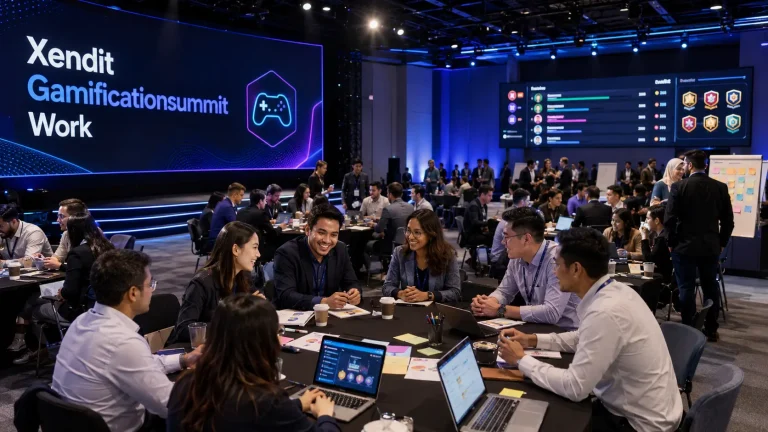


Companies spend a lot of time trying to keep employees happy and productive. But most programs fall flat. They feel forced, forgettable, or just plain boring. That is exactly why events like the xendit work gamificationsummit have started drawing so much attention from business leaders, HR teams, and workplace culture experts across Southeast Asia and beyond.
This article breaks down what the summit is about, why gamification at work actually matters, and what you can take away from it to improve your own team’s performance.
What Is the Xendit Work GamificationSummit All About?
The xendit work gamificationsummit is a gathering focused on one simple idea: work should not feel like a punishment. It brings together professionals who want to use game-style elements, such as points, rewards, challenges, and leaderboards, to make workplace tasks more engaging.Xendit, a payment technology company based in Southeast Asia, has been known for building strong internal culture. Their involvement in the xendit work gamificationsummit adds credibility and real-world experience to the conversation. This is not just theory. It is based on what has actually worked inside growing tech companies.
The summit covers topics like employee motivation, digital tools for tracking progress, team competitions, and how to keep remote workers connected and engaged. Think of it as a practical conference with real takeaways, not just a series of keynote speeches that fade from memory by the time you land at home.
Why Gamification at Work Is a Big Deal Right Now
The Problem With Traditional Employee Engagement
Most companies still use the same old tools: annual reviews, quarterly bonuses, and employee of the month plaques. These things are fine, but they do not create the kind of daily motivation that keeps people doing their best work.

Research from Gallup shows that only about 23% of employees worldwide feel actively engaged at work. That is a huge number of people just going through the motions. When workers are disengaged, productivity drops, turnover rises, and innovation slows down.
How Game Mechanics Change Behavior
Games are designed to keep people coming back. They use clear goals, instant feedback, visible progress, and a sense of achievement. When you apply those same principles to work tasks, people start caring more about outcomes.
For example, a sales team that tracks their calls on a visible leaderboard tends to push harder than one that just submits numbers in a spreadsheet. A customer service team that earns badges for fast response times often feels more motivated than one that only gets reviewed once a year. These are the kinds of simple changes that the xendit work gamificationsummit encourages organizations to try.
Key Themes Covered at the Summit
Building a Points and Rewards System That Works
One of the biggest discussions at the xendit work gamificationsummit is how to design a reward system that feels fair and meaningful. Not all rewards are equal. Some people want gift cards. Others want extra time off. Many just want public recognition in front of their team.
A good points system gives workers agency. They earn points for completing tasks, hitting goals, or helping colleagues. Then they spend those points on rewards they actually value. This flexibility makes the program feel personal instead of generic.
Making Remote Teams Feel Like Part of Something
Remote work is still a challenge for many companies. When people work from home or different time zones, it is easy for them to feel disconnected. The xendit work gamificationsummit dedicates real time to this issue. Digital tools like Slack integrations, real-time dashboards, and virtual team challenges help remote workers feel like they are part of the same game, even if they are hundreds of miles apart. Small moments of recognition, like a shoutout on a shared channel when someone completes a milestone, can make a big difference.
Avoiding Gamification Mistakes That Backfire
Not every gamification effort succeeds. In fact, some make things worse. The summit is honest about this. When a system feels manipulative or unfair, employees reject it quickly. Common mistakes include rewarding the wrong behaviors, creating competition that turns toxic, or adding so many rules that nobody understands how to win. The xendit work gamificationsummit teaches leaders how to design systems that feel positive and transparent from the start.
A Closer Look at the Summit’s Structure
Here is a quick overview of what a typical summit agenda might include:
| Session | Topic | Format |
|---|---|---|
| Opening Keynote | Why engagement is broken and how to fix it | Presentation |
| Workshop 1 | Designing a fair rewards system | Group activity |
| Panel Discussion | Real stories from companies using gamification | Q&A panel |
| Workshop 2 | Tools and platforms for tracking progress | Live demo |
| Case Study | How Xendit used games to improve team culture | Case study |
| Networking Lunch | Meet peers from different industries | Open session |
| Workshop 3 | Avoiding common gamification failures | Discussion |
| Closing Session | Your 30-day action plan | Guided planning |
This structure shows that the xendit work gamificationsummit is built for action, not just inspiration. Each session gives attendees something specific to walk away with.
Real-World Results From Gamification at Work
Sales Teams That Compete and Win Together
One company that attended the xendit work gamificationsummit reported a 34% increase in weekly sales calls after launching a team-based challenge. The twist? They made it a team effort, not an individual race. Groups competed against each other, but everyone on a winning team shared the prize. This removed the cutthroat atmosphere and replaced it with teamwork.
Customer Service With Faster Response Times
Another case involved a customer support department that started using a badge system. Agents earned badges for hitting response time goals, resolving complex issues, and receiving positive customer feedback. Within three months, average response time dropped by 22%. More importantly, the team reported feeling more motivated and proud of their work.
Onboarding New Employees Faster
Onboarding is often a slow and confusing process. Some companies at the summit shared how they turned onboarding into a game. New employees completed modules, unlocked badges, and tracked their own progress on a visible checklist. This made new hires feel confident and gave them a clear path forward, all without overwhelming them on day one.
Who Should Attend the Xendit Work GamificationSummit?
This event is not just for HR managers. Anyone who leads a team, runs a business, or wants to build a better culture will find value here. Startup founders, department heads, learning and development professionals, and even team leads at mid-size companies have all found the content useful.The xendit work gamificationsummit welcomes people from different industries, too. Retail, finance, healthcare, and tech companies all deal with the same underlying challenge: keeping people motivated and connected to their work. Gamification crosses industries because human motivation is universal.
If you work with people and want those people to show up ready to give their best, this summit has something for you.
Practical Tips You Can Use Right Now
You do not have to wait for the next summit to start using these ideas. Here are a few simple steps to test gamification on your team today.

Start with one clear goal. Pick one behavior you want to encourage, like completing weekly check-ins, hitting a response time target, or finishing training modules. Build your first game around that one goal and keep the rules simple.
Make progress visible. Use a shared board, a spreadsheet, or a digital tool where everyone can see where they stand. Visibility creates accountability and a little friendly competition without anyone having to say a word.
Celebrate small wins. Do not wait for the big quarterly number to recognize effort. Give a shoutout in your team chat when someone finishes a milestone. This keeps energy high throughout the month, not just at the end.
Ask your team what rewards they want. Do not guess. Survey your people and find out what matters to them. Some want Amazon vouchers. Others want a half day off. Some just want a genuine “thank you” in front of the group. Knowing what people value makes your reward system actually work.
What Makes the Xendit Approach Different
Xendit does not just talk about company culture. They have built it from the inside out. Their involvement in the xendit work gamificationsummit reflects a genuine commitment to making work better for everyone, not just executives at the top.The company has shown that a tech-forward, people-first mindset can coexist. They have used internal gamification tools to improve team onboarding, cross-department collaboration, and even internal knowledge sharing. These are not flashy gimmicks. They are thoughtful systems designed around how people actually behave.
That is what makes the lessons from the xendit work gamificationsummit so practical. They come from a company that has actually tried things, adjusted based on feedback, and built something that works at scale.
Looking Ahead: The Future of Gamification at Work
Gamification is not going away. As more companies go hybrid or fully remote, the need for creative engagement tools will only grow. Artificial intelligence is starting to play a role too. Some platforms now use AI to personalize challenges based on individual performance patterns, giving each employee a slightly different experience based on what motivates them most.
The xendit work gamificationsummit is ahead of this curve. Each year, the content evolves to reflect new tools, new research, and new challenges that companies face. Attending once is valuable. Following the community over time is even better.
Conclusion: Why This Summit Is Worth Your Time
Employee engagement is one of the hardest problems any leader faces. You cannot force people to care. But you can create systems that make caring feel natural and rewarding.The xendit work gamificationsummit gives you a clear path to doing exactly that. It covers the theory, shares the real-world results, and hands you practical tools to start making changes right away. Whether you manage a team of five or a department of five hundred, the ideas from this event will help you build a culture where people actually want to show up and do good work.
Gamification works when it is done thoughtfully. And the xendit work gamificationsummit is the best place to learn how to do it right.
Faqs About Xendit Work GamificationSummit
What is the xendit work gamificationsummit and who is it designed for?
The xendit work gamificationsummit is a professional event focused on using game-style techniques to improve employee motivation and workplace culture. It is designed for anyone who leads or manages people, including startup founders, HR professionals, team leads, and department heads across industries like tech, retail, finance, and healthcare.
How does gamification actually improve employee performance?
Gamification works by applying game mechanics like points, badges, leaderboards, and rewards to everyday work tasks. These elements create clear goals, instant feedback, and visible progress, which naturally push people to stay engaged and perform better. Companies that have used these systems report higher productivity, faster response times, and stronger team collaboration.
Does the xendit work gamificationsummit only focus on large companies?
Not at all. The xendit work gamificationsummit welcomes businesses of every size. Whether you manage a small team of five or lead a large department, the strategies shared at the summit are designed to be flexible and scalable. Many of the best ideas start simple and grow as your team gets comfortable with the system.
What are the most common mistakes companies make with gamification at work?
The biggest mistakes include rewarding the wrong behaviors, creating overly competitive environments that turn toxic, and building systems so complicated that no one understands how to participate. The xendit work gamificationsummit addresses these pitfalls directly by teaching leaders how to design fair, transparent, and motivating programs from day one.
Can gamification work for remote or hybrid teams?
Yes, and this is one of the most important topics covered at the xendit work gamificationsummit. Digital tools like real-time dashboards, virtual team challenges, and recognition features inside platforms like Slack make it possible for remote workers to feel connected and motivated, even when they are working from different locations or time zones.